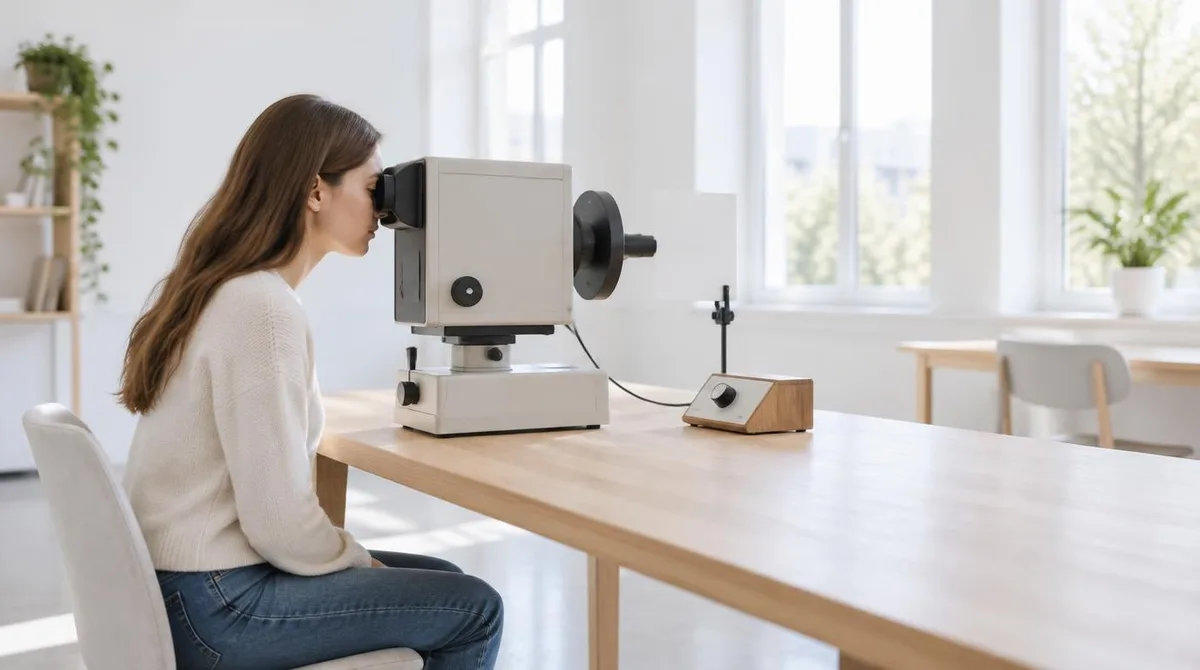
Iconic Memory: The Visual Buffer George Sperling Caught in 1960
Iconic memory holds nearly everything the eyes take in for a few hundred milliseconds. Sperling's partial report test proved how much fades unsaid.
Systems, circuits and cells: how the brain's pieces work, and how researchers prove it.
Iconic memory holds nearly everything the eyes take in for a few hundred milliseconds. Sperling's partial report test proved how much fades unsaid.
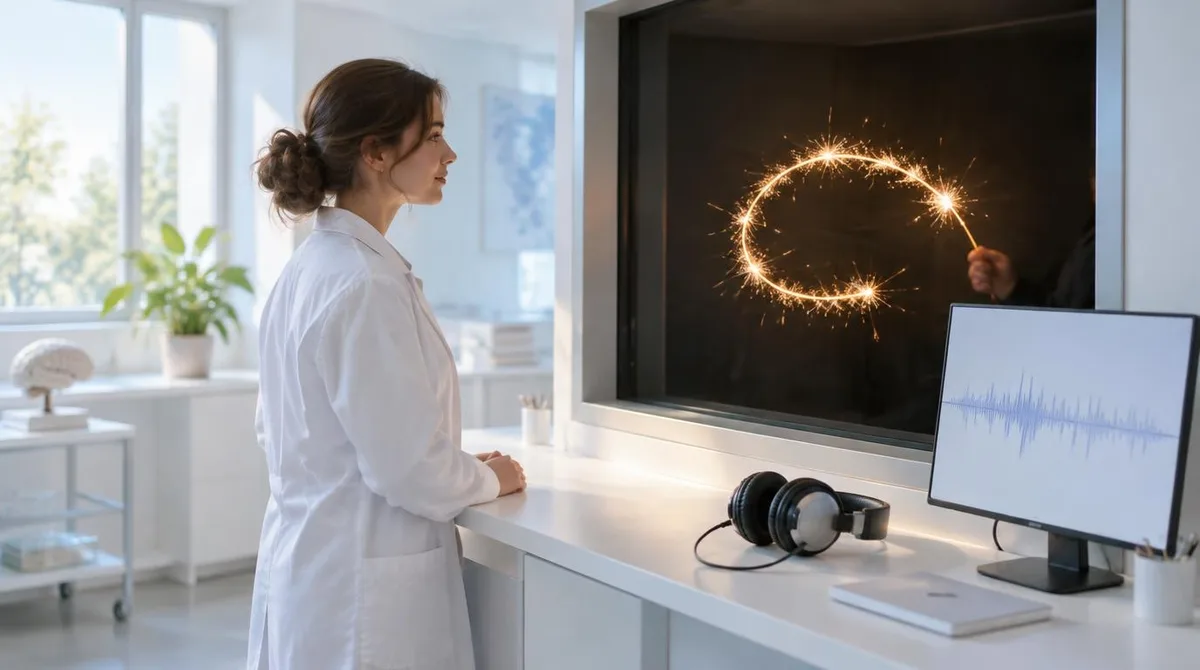
Sensory memory keeps a raw copy of sight and sound alive for a fraction of a second up to a few seconds, just long enough to pass it onward.

Flashbulb memory feels exact and permanent, yet Challenger and September 11 studies show confidence that survives while accuracy quietly decays.
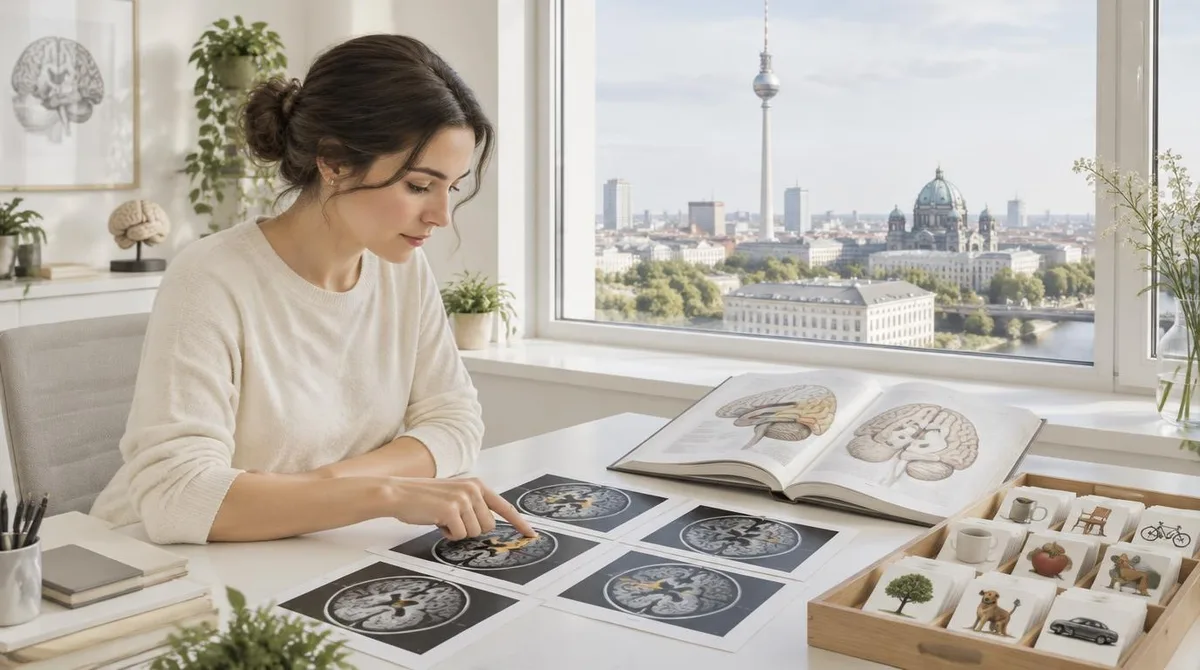
Semantic memory holds shared facts and meanings, not personal events. Brain studies trace it to temporal lobe networks that disease can strip away.

Implicit memory holds skills, habits, and priming that improve without any conscious recall. Patient H.M. learned a mirror task he never remembered.

Explicit memory is the conscious, reportable record of facts and lived events. Patient H.M. showed which brain systems it depends on and which it does not.