Molecular Neuroimaging
Echoic Memory: How the Ear Holds Sound Long Enough to Understand
Read moreWhat Medicare Enrollment Means for a Dedicated Brain PET Clinic
Read more
Memory Care Facilities: What They Are and How to Evaluate Them
Memory care facilities specialize in dementia support. Here is what they provide, how they differ from assisted living, and how families evaluate quality.

Brain Health
False Memory OCD: How Intrusive Doubt Hijacks Recollection
False memory OCD is a documented OCD theme, not a diagnosis. How intrusive doubt exploits normal memory and what evidence-based treatment looks like.
Brain Health
Selective Memory: How Attention Decides What the Brain Keeps
Selective memory is attention's fingerprint on recall: what the brain ignored at encoding never stored well. What imaging shows, and what it does not.

Brain Health
The Best Memory Games for Kids, by Age and Skill
The best memory games for kids pair real skills with fun: matching pairs, sequence games and stories, by age, plus what research says play cannot do.
Imaging Technology
See all →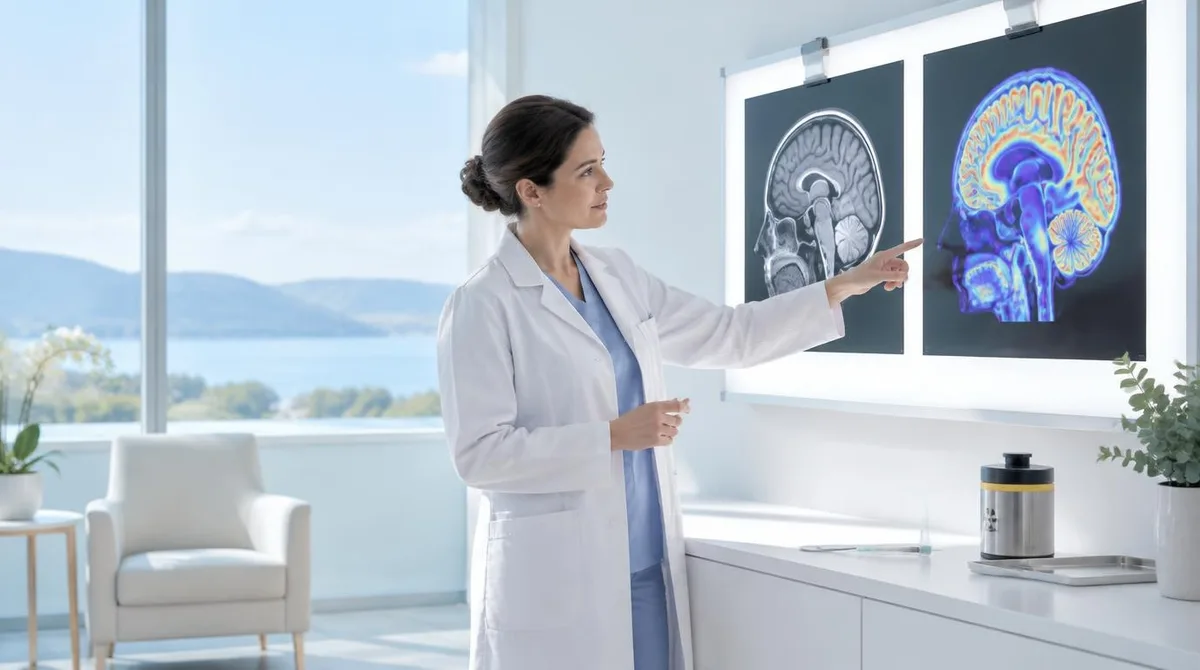
PET Scan vs MRI: One Measures Function, the Other Measures Structure
The two machines answer different questions: PET shows how tissue is working, MRI shows what it looks like. The choice depends on which question a doctor needs answered.
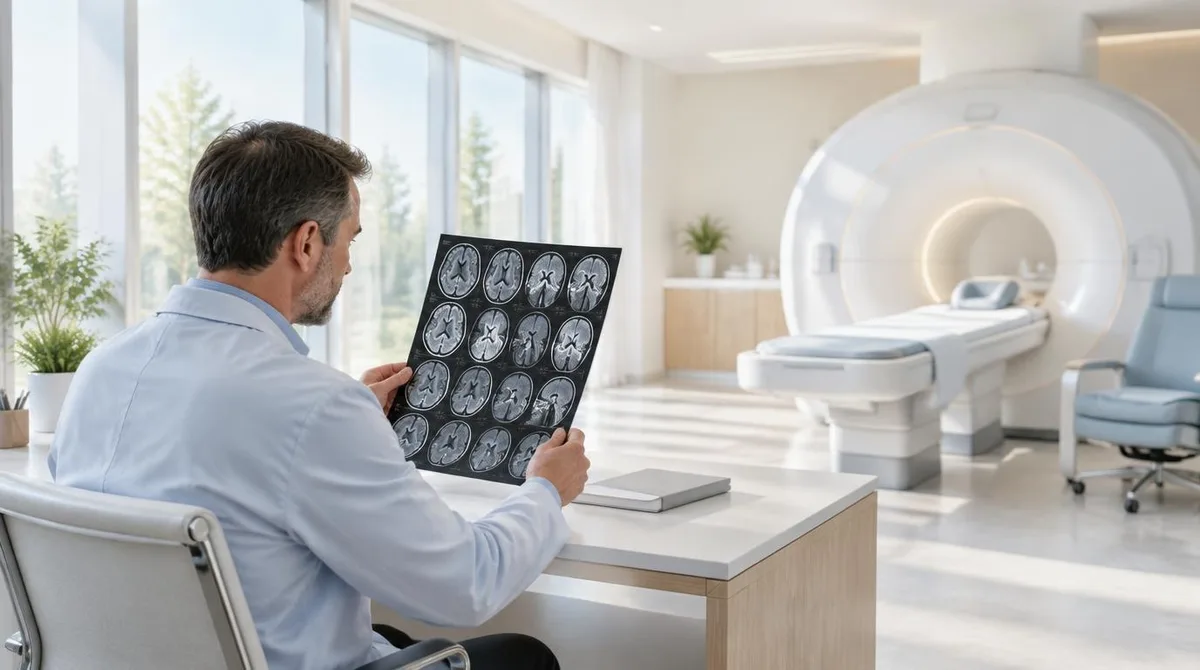
MRI Brain Scans: What They Show and How the Machine Builds Its Image
A brain MRI maps soft tissue without radiation. Here is what the scanner measures, what structural and functional scans reveal, and where research is pushing the method.
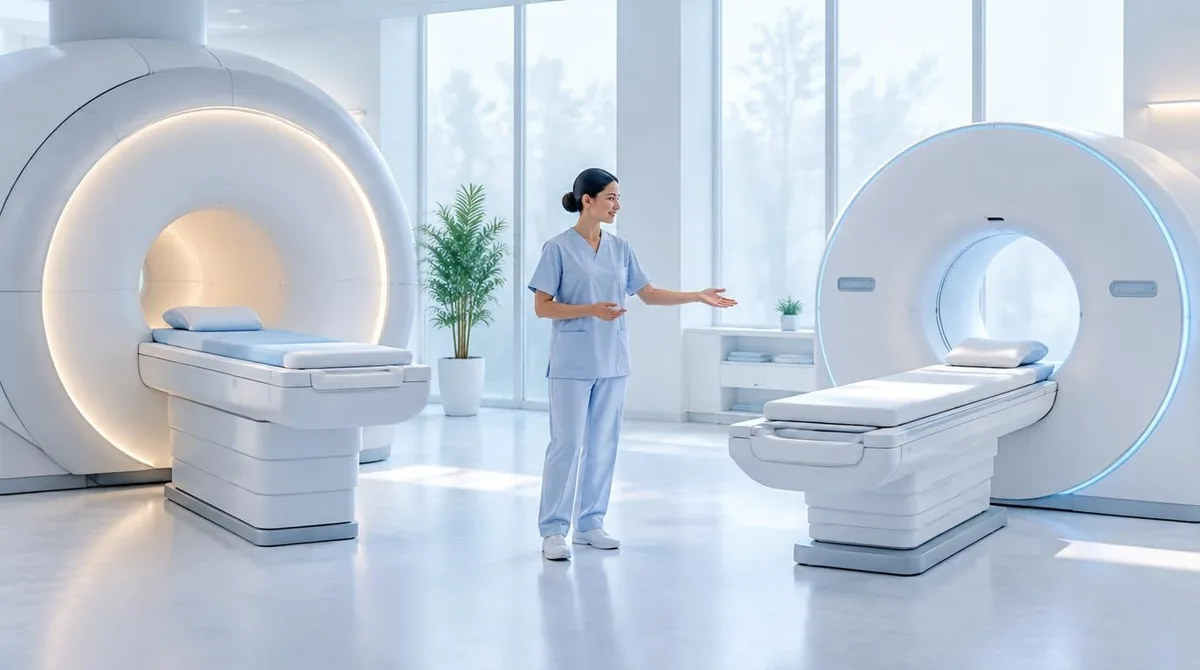
MRI or CT Scan: The Difference Comes Down to Physics and the Question Being Asked
One machine fires X-rays through the body. The other aligns its molecules with a magnet. Neither is the better scan; each answers a different question.
Research Watch

Does Water Have Memory? The Claim, the Tests, the Verdict
Water holds no lasting memory of dissolved substances. Hydrogen bonds rearrange in femtoseconds, and homeopathy's central test fell apart under review.

State Dependent Memory: How Inner States Color What Returns
State dependent memory means a memory returns best when the inner state matches the one at learning. Mood, stress and brain circuits all take part.

Context Dependent Memory: Why Place Shapes What the Brain Recalls
Context dependent memory links recall to the surroundings at learning. The classic diving study made the case, and later work found its sharp edges.
Health News
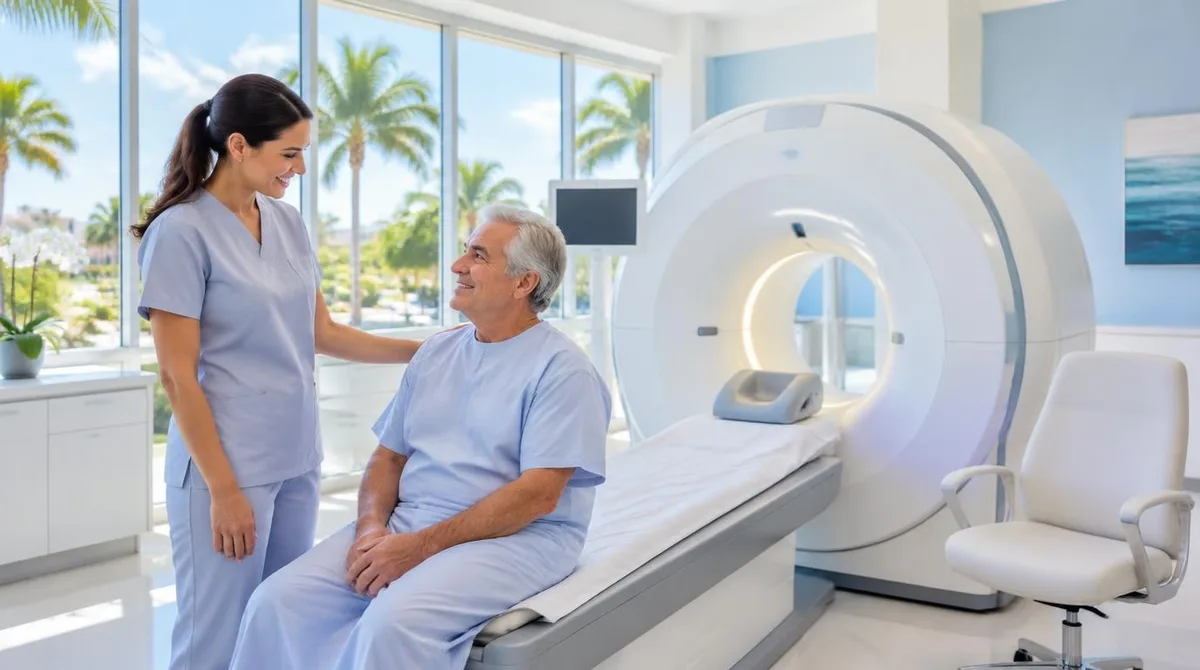
What Medicare Enrollment Means for a Dedicated Brain PET Clinic
Grey Matters Health's Florida clinic can now bill public insurers — the practical step that turns a scanner into a service.
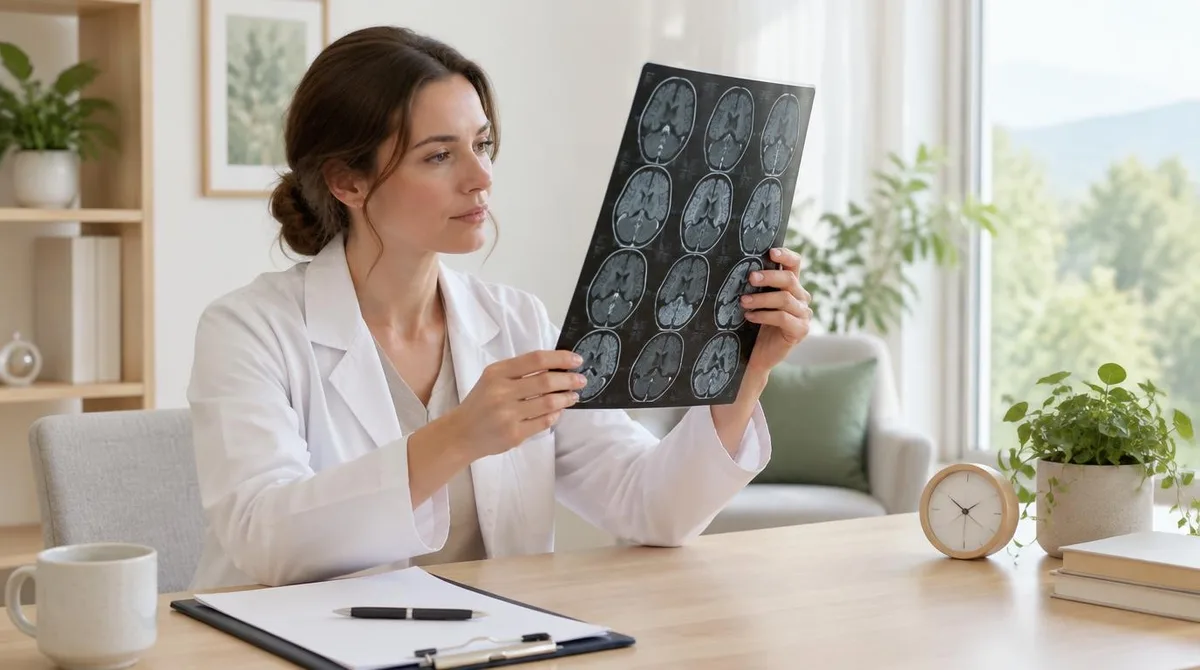
Alzheimers Symptoms Stage by Stage: What Clinicians Notice
Alzheimers symptoms often open with memory lapses. Clinicians watch ten warning signs across mild, moderate and severe stages, institutes report.

Memory Loss ICD 10 Classification: How WHO Codes Work
Memory loss in ICD 10 maps to R41.3, Other amnesia. Codes G30 and F00 then name Alzheimer disease and its dementia, WHO records show.
Latest
Echoic Memory: How the Ear Holds Sound Long Enough to Understand
Echoic memory holds sound for a few seconds after it ends, giving the brain time to parse speech. A 1972 three-speaker experiment set its limits.
Does Water Have Memory? The Claim, the Tests, the Verdict
Water holds no lasting memory of dissolved substances. Hydrogen bonds rearrange in femtoseconds, and homeopathy's central test fell apart under review.
What Medicare Enrollment Means for a Dedicated Brain PET Clinic
Grey Matters Health's Florida clinic can now bill public insurers — the practical step that turns a scanner into a service.
PET Scan vs MRI: One Measures Function, the Other Measures Structure
The two machines answer different questions: PET shows how tissue is working, MRI shows what it looks like. The choice depends on which question a doctor needs answered.