Can a clinic built around a single purpose — scanning the brain for signs of Alzheimer's disease — actually reach patients at scale? On November 16, 2026, Grey Matters Health Inc. (CSE: GREY) announced that its NovaScan Neuroimaging Clinics location in Davie, Florida has attained accreditation and completed full enrollment in both Medicare and Medicaid, according to a report by Kalkine Media. In plain terms, the clinic can now bill public insurance for its brain PET scans.
That matters because, per the announcement, Medicare, Medicaid and most private insurers already cover brain PET scans for beta-amyloid plaque detection in patients aged 65 and older. Enrollment is the bridge between that coverage rule and an actual appointment. Without it, a scanner sits idle for the very population most likely to be referred. More on the health news context below. For related coverage, see Alzheimers Symptoms Stage by Stage: What Clinicians Notice.
What does accreditation actually test?
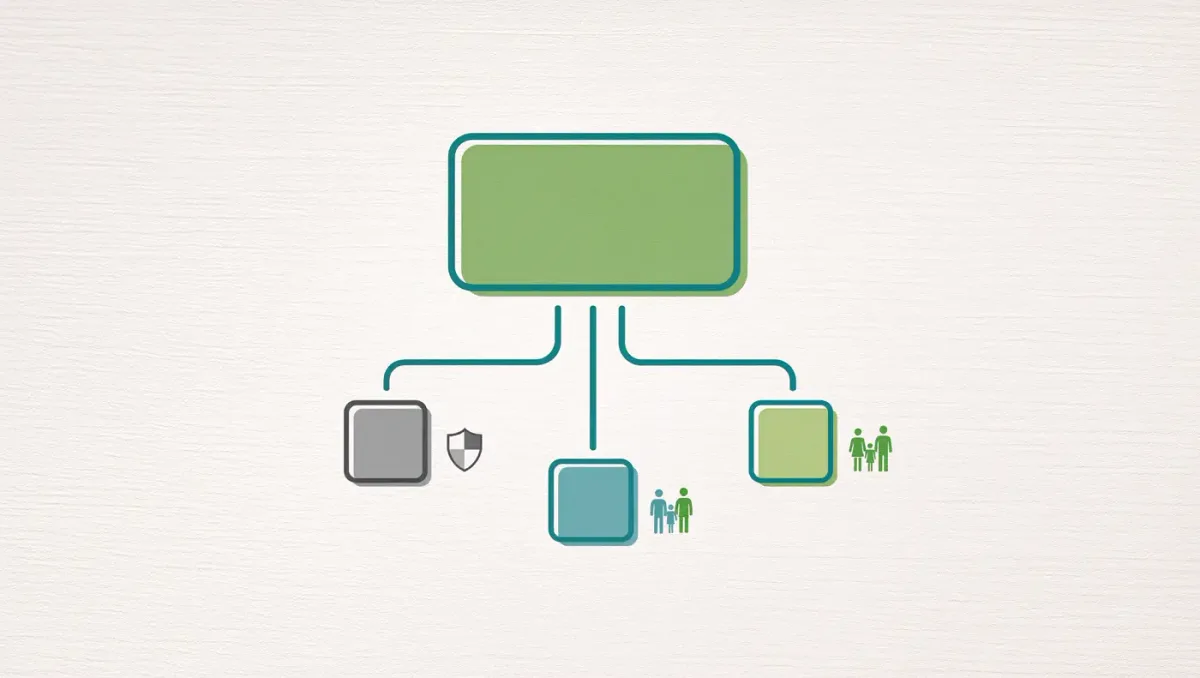
Accreditation from a recognized U.S. regulatory authority is a prerequisite for diagnostic imaging centers seeking Medicare reimbursement and in-network status with private insurers. According to the announcement, the process examined three things: radiation dose management, diagnostic image quality, and staff credentials — the licensing and certifications of radiologists, medical physicists and technologists.
The company frames this as reassurance for referring physicians: that the center produces high-quality images, employs qualified professionals, and follows established patient-safety standards. That framing is the company's own, but the underlying logic is standard for U.S. imaging: an accreditor checks the inputs — dose, quality, personnel — so payers do not have to.
Why the scanner itself is the interesting part
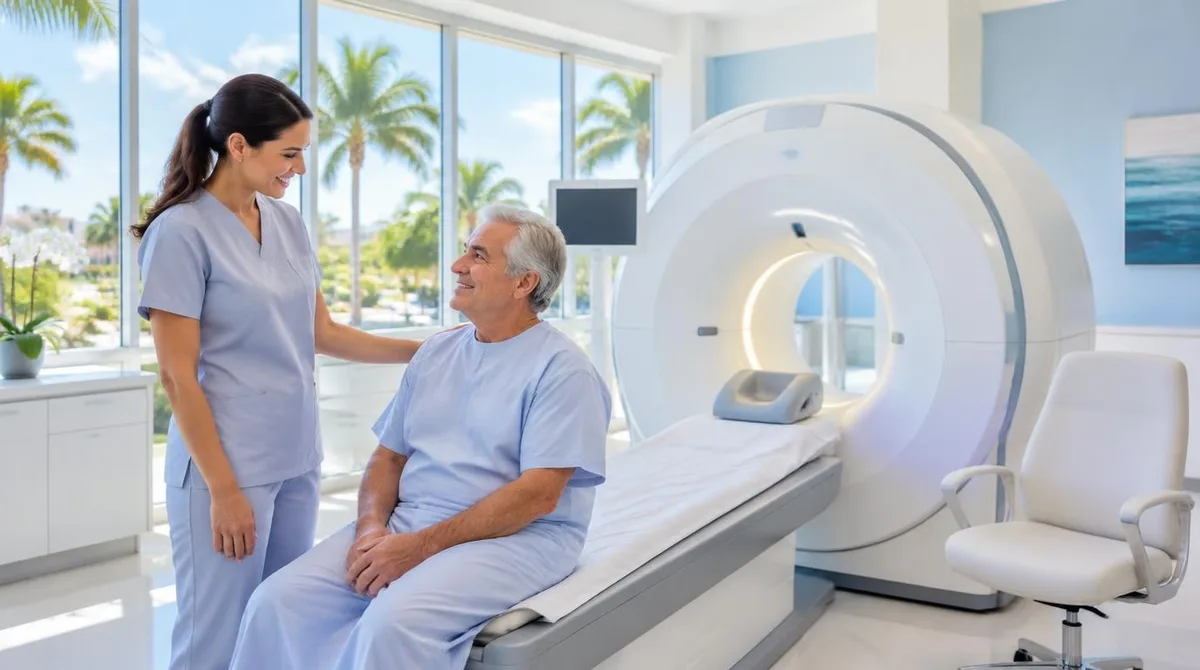
The Davie facility will use the CareMiBrain system, a U.S. FDA-cleared PET scanner dedicated to the brain. Its design is unusual: a chair-styled device with no integrated computed tomography (CT) component. CT is normally bundled into PET scanners to help with image correction and positioning, but it adds radiation dose. The company states that dropping the CT reduces patient radiation exposure by 25%.
For readers following imaging technology, the design choice signals where brain imaging may be heading: machines optimized for one organ rather than whole-body generalists. Readers interested in the hardware side can follow the site's imaging technology coverage. The company describes the Davie site, located in the HCA Florida University Medical Office Building, as the first U.S. center offering brain-dedicated PET scans for Alzheimer's disease detection — a claim from the announcement, not an independent audit.
What this does and does not change for patients
Public enrollment means eligible Americans covered by Medicare or Medicaid can, in principle, access the clinic's specialized brain PET services with billing under established codes for brain PET scans and related isotopes. That is the commercial milestone the company is highlighting. This connects to our earlier piece, Memory Loss ICD 10 Classification: How WHO Codes Work.
What it does not change: private insurers. The announcement notes that investors are watching for updates on in-network contract negotiations with private payers, and for plans to add clinic locations. The company's stated long-term objective is a network of dedicated brain PET imaging clinics across the United States, but the release provided no specific timelines or financial details. Treat the expansion as an intention, not a schedule.
The open question
The honest reading of this announcement is procedural rather than scientific. Nothing here reports new imaging performance, new diagnostic accuracy, or new clinical evidence. What it reports is infrastructure: a clinic cleared to serve publicly insured patients using an FDA-cleared device. The open question is demand — whether referring physicians will route enough patients to a single-site, brain-only scanner to justify the network the company envisions. Coverage rules for amyloid PET in patients 65 and older give the clinic a defined market; whether that market shows up is what the next announcements will need to demonstrate.