
Understanding Modern Vaping: A Clear, Practical Guide
Quick primer: what is e cigarette in plain language
At the most basic level, an electronic cigarette is a battery-powered device that heats a liquid to produce an inhalable aerosol. Many people refer to these devices as vapes, vape pens, e-cigarettes, or ENDS (electronic nicotine delivery systems). Consumers use them for a variety of reasons: as an alternative to combustible tobacco, as a perceived safer choice, for nicotine delivery, or simply because of flavors and convenience. This article explains essential facts about design, chemistry, regulation, and especially the known and potential e-cigarette health risks, aiming to separate myth from evidence and provide practical, actionable insights.
How these devices work
Most units contain three main components: a battery (or power source), a heating element (coil or atomizer), and a cartridge, pod, or tank that holds the e-liquid. When the user activates the device—by pressing a button or inhaling—the coil heats the liquid, creating an aerosol that carries nicotine, flavorings, solvents, and other chemicals into the lungs. Newer devices, such as pod systems, can deliver nicotine as nicotine salts, which are absorbed more smoothly and efficiently than freebase nicotine in earlier models.
Common terms you’ll see
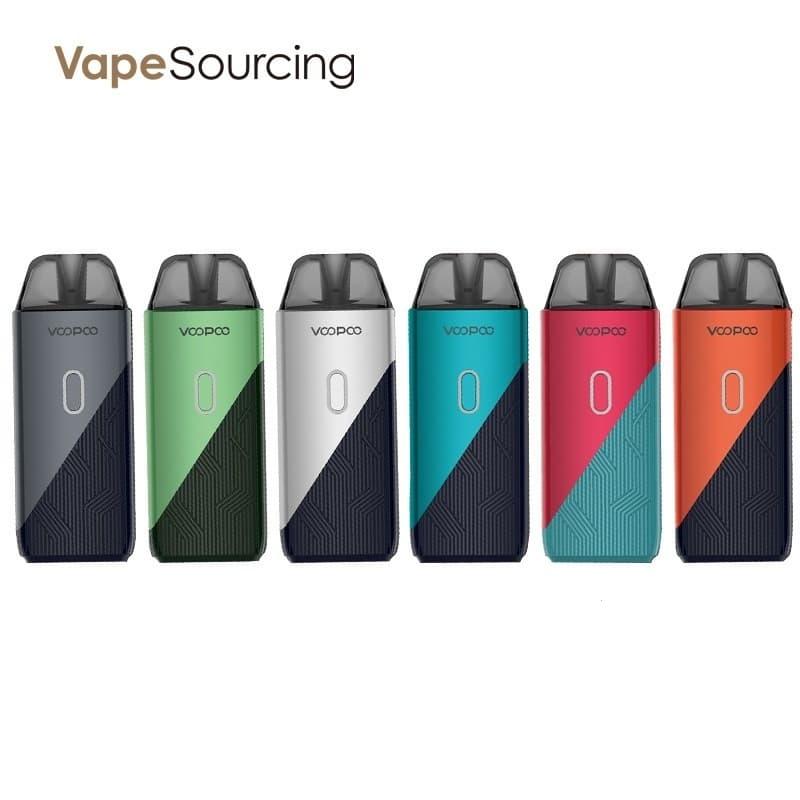
- e-liquid / e-juice: the liquid formulation that typically contains propylene glycol (PG), vegetable glycerin (VG), nicotine, and flavorings.
- Pod / cartridge: a refillable or disposable container that houses e-liquid.
- Mods: larger, often adjustable devices that allow users to change power settings.
- Aerosol:
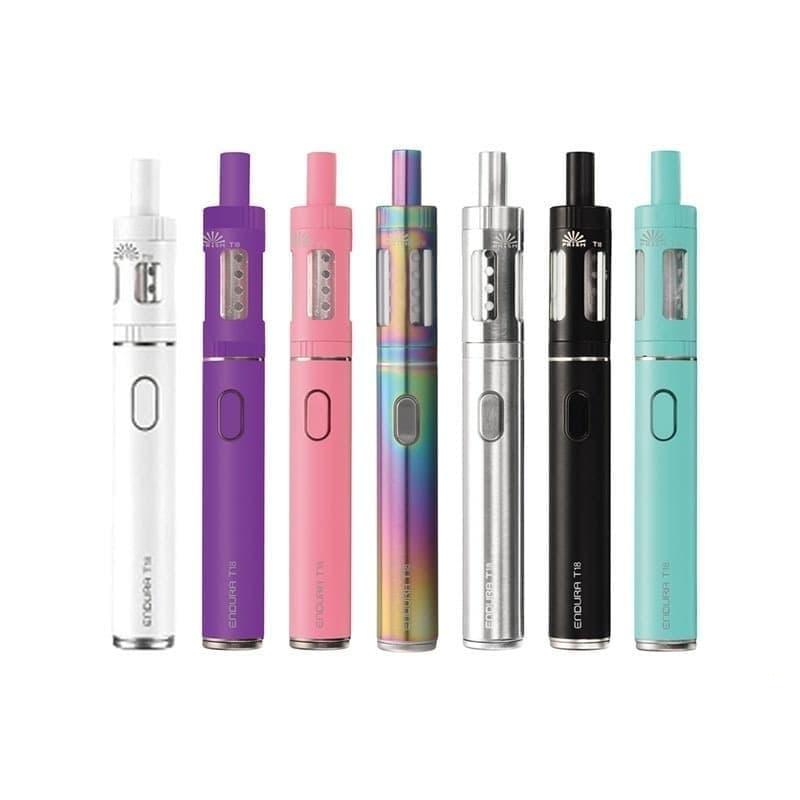 what is e cigarette explained with clear facts and a practical look at e-cigarette health risks” /> the mixture of particles and gases created when e-liquid is heated; users inhale this instead of “vapor” (technically a misnomer).
Who uses them and why it matters
Usage patterns vary: some smokers switch completely to e-cigarettes, some use both combustible cigarettes and e-cigarettes (dual use), and others—particularly young people—start vaping without prior cigarette use. These patterns influence harm and benefit. From a public health perspective, adult smokers who quit combustible tobacco completely by switching to e-cigarettes may reduce certain exposures, but initiation among non-smokers and youth remains a major concern due to addiction risk and unknown long-term effects.
Key ingredients and exposures
Primary e-liquid ingredients include:
- Nicotine: a highly addictive stimulant with known cardiovascular and developmental effects.
- Solvents (PG/VG): carriers that create aerosol; they are generally recognized as safe for ingestion but their inhalation effects over years are not fully mapped.
- Flavorings: wide-ranging chemicals that can produce pleasant tastes but may be toxic when heated and inhaled; some, like diacetyl, are linked to bronchiolitis obliterans (“popcorn lung”).
- Impurities and thermal decomposition products: heating can create compounds such as formaldehyde, acetaldehyde, acrolein, and other carbonyls, particularly at high power.
Short-term effects and acute harms
Users commonly report throat irritation, increased cough, and dry mouth. Nicotine exposure can cause dizziness, nausea, and palpitations, especially in inexperienced users or when devices deliver high nicotine doses quickly (nicotine salts can do this). Acute accidents include battery explosions when devices are mishandled or improperly charged, and accidental poisoning from concentrated e-liquids swallowed or absorbed through the skin—this is particularly dangerous for children and pets.
What we know about long-term harms
Long-term data are limited because widespread e-cigarette use has been recent compared with decades of cigarette research. However, available evidence raises credible concerns about respiratory and cardiovascular systems. Observational studies and biomarker research show that while e-cigarettes generally deliver fewer toxicants than combustible tobacco, they are not harmless. Potential long-term risks include:
- Chronic respiratory inflammation, airway irritation, and increased susceptibility to infection.
- Possible acceleration of atherosclerotic changes and adverse cardiovascular effects due to nicotine and oxidative stress.
- Impaired lung development when used during adolescence or pregnancy, with possible lifelong consequences.
- Unknown cancer risk over decades due to exposure to some carcinogens formed during aerosolization.

Youth, pregnancy, and vulnerable groups
Adolescents are at particular risk: nicotine negatively affects brain development in youth and can produce persistent changes in cognition, attention, and mood. Pregnant people who use nicotine risk harm to fetal development. People with underlying respiratory disease (e.g., asthma, COPD) or cardiovascular disease should approach e-cigarette use cautiously—both because nicotine can worsen heart rates and blood pressure and because inhaled irritants may exacerbate lung conditions.
Comparative risks: less harmful than smoking, but not safe
Many public-health authorities acknowledge a risk continuum: smoking combustible cigarettes is associated with the highest harms; switching entirely to e-cigarettes can reduce exposure to many combustion-related toxicants; but e-cigarettes still carry their own risks. This comparative framing is useful for clinicians advising adult smokers seeking to quit—but it must be balanced with policies that prevent youth uptake.
Common myths and facts
Myth: E-cigarettes only emit harmless water vapor.
Fact: The aerosol is a complex mixture that includes ultrafine particles, nicotine, flavor chemicals, and potential toxicants.
Myth: Flavors are safe because they’re food-grade.
Fact: Flavoring chemicals approved for ingestion are not automatically safe for inhalation; heating can change their chemistry.
Evidence-based harm reduction and cessation perspectives
For adult smokers who have been unable to quit with evidence-based therapies (behavioral support, nicotine replacement therapy (NRT), medications), transitioning completely to an e-cigarette may reduce exposure to many cigarette smoke toxicants. However, the goal should be complete cessation of all nicotine-containing products when feasible. Clinical guidance often emphasizes combining behavioral support with pharmacologic aids; if e-cigarettes are used, close monitoring and a plan to taper nicotine is advisable.
Regulation, quality control, and product variability
One of the central challenges is the enormous variability across devices and liquids. Nicotine concentration, presence of impurities, device power, and user behavior (puff duration, frequency) all shape exposure. Regulatory frameworks vary widely by country—some ban flavors, some restrict nicotine concentration, and others require product standards and reporting. Where regulation is weak, risks to consumers and youth access can increase.
Practical tips for clinicians, users, and concerned family members
- Assess why someone wants to use e-cigarettes: cessation, recreation, or other reasons. Tailor advice accordingly.
- For adult smokers seeking to quit, discuss FDA-approved cessation tools first. If e-cigarettes are considered, aim for full substitution, not dual use.
- Encourage youth, pregnant people, and never-smokers to avoid e-cigarettes entirely.
- Safe storage is crucial: keep e-liquids and devices out of children’s reach; be aware of call-for-help numbers for poisoning centers.
- Report device malfunctions, explosions, and severe lung or cardiovascular reactions to health authorities to help track harms.

Research gaps and ongoing surveillance
Critical questions remain: the magnitude of long-term cancer risk; the full scope of cardiovascular effects; the consequences of chronic inhalation of flavoring chemicals; and population-level impacts of widespread e-cigarette availability on smoking initiation and cessation. Continued prospective cohort studies, toxicology research, and regulatory surveillance are needed to refine guidance.
Practical checklist for someone considering switching
| Step | Why it matters |
|---|---|
| Discuss with a healthcare provider | To weigh cessation options and health status |
| Choose regulated products | Lower risk of contaminants and extreme nicotine concentrations |
| Aim for complete substitution | Dual use reduces potential benefits |
| Plan to taper nicotine | Reduce long-term dependence |
Communication and public health messaging
Effective messaging must balance the relative risk reduction potential for adult smokers with robust youth prevention. Overly simple claims that e-cigarettes are “safe” or “harmless” are misleading; similarly, scare tactics that ignore comparative benefits for smokers may prevent harm reduction. Clear, evidence-based communication—targeted by population and risk profile—is critical.
Environmental and secondary exposure concerns
Secondhand aerosol contains nicotine and particulates; exposure in enclosed spaces can affect non-users, particularly children and those with respiratory conditions. Improper disposal of cartridges and batteries can also pose environmental hazards.
When to seek medical attention
Immediate care is warranted for palpitations, chest pain, severe shortness of breath, seizures after nicotine ingestion, or signs of e-liquid poisoning (nausea, vomiting, lethargy). For unexplained chronic cough, wheeze, or reduced exercise tolerance after beginning vaping, consult a clinician promptly.
Key takeaways: concise facts for quick reference
- Definition: An e-cigarette is an electronic device that heats a liquid to create an inhalable aerosol; what is e cigarette can be summarized as a nicotine delivery device without combustion.
- Relative risk: Likely lower than smoking cigarettes for some harms, but not risk-free—focus on e-cigarette health risks such as respiratory irritation, nicotine addiction, and uncertain long-term effects.
- Youth and pregnancy: Avoid entirely; nicotine harms brain and fetal development.
- For smokers: Complete substitution may reduce exposure to combustion-related toxicants; use structured cessation support whenever possible.
Final practical perspective
From a practical standpoint, the decision to use an e-cigarette requires weighing immediate goals (quit smoking, reduce harm, recreational use) against known risks and unknown long-term effects. Policies and individual clinical choices should prioritize preventing youth initiation, ensuring product quality, and supporting adult smokers trying to quit. Clear communication that describes the continuum of risk, provides realistic expectations, and offers proven cessation options will best protect population health.
FAQ
Q: Can e-cigarettes help people quit smoking?
A: Some smokers have successfully quit by switching to e-cigarettes, but randomized trials and observational studies show mixed results. Best practice is to use evidence-based cessation therapies first, and if e-cigarettes are considered, aim for complete replacement and professional support.
Q: Are flavored e-liquids safe?
A: Flavors are not automatically safe for inhalation; some flavoring chemicals have known respiratory toxicity, and heating can create harmful byproducts. Regulation and quality testing reduce but do not eliminate risk.
Q: Is secondhand aerosol dangerous?
A: Secondhand aerosol contains nicotine and particulates; while generally lower in many toxicants than cigarette smoke, it can still affect non-users, particularly children and those with respiratory disease.
Q: What should parents do to protect children?
A: Store devices and liquids securely, educate children about risks, and model nicotine-free behavior. If a child ingests e-liquid, seek emergency help immediately.
For ongoing, personalized guidance about vaping, cessation strategies, or medical concerns related to inhaled products, contact a healthcare professional or local public health authority; evidence and regulations continue to evolve, and clinicians can help tailor advice to individual risks and goals.